
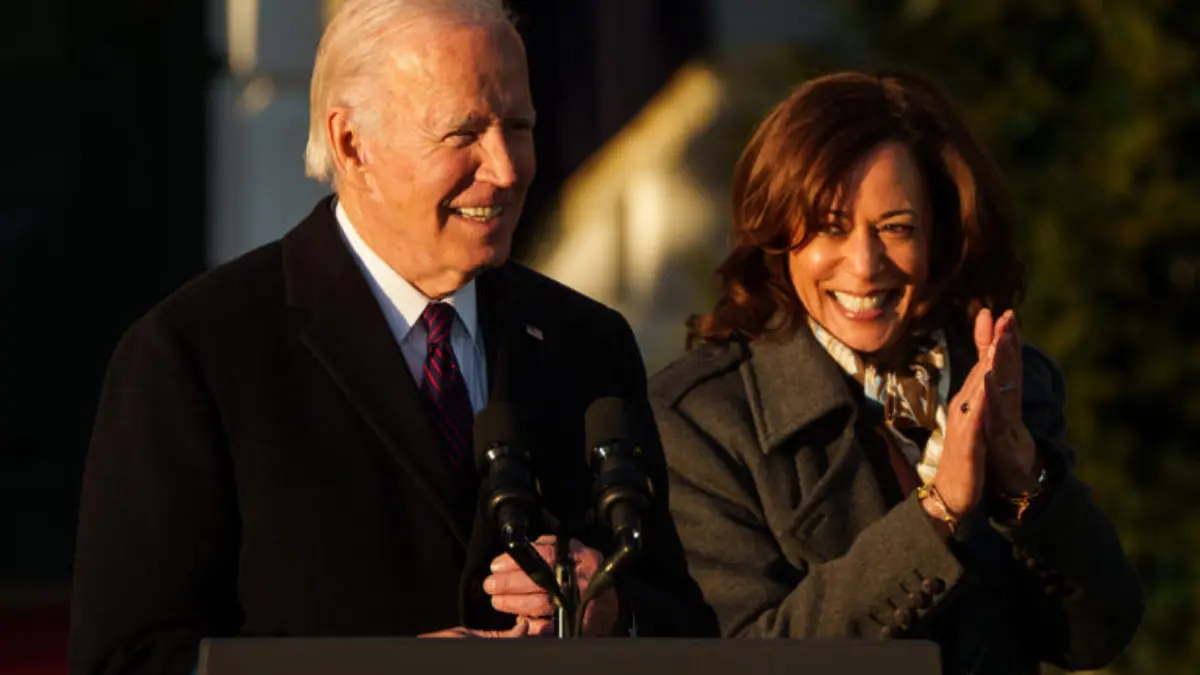
Explore Kamala Harris’ Gaza stance, her nuanced position during the 2024 election, and how it shaped Democratic Party debates, U.S. foreign policy views, and voter reactions
Kamala Harris Gaza Stance: What We Know About Her Position
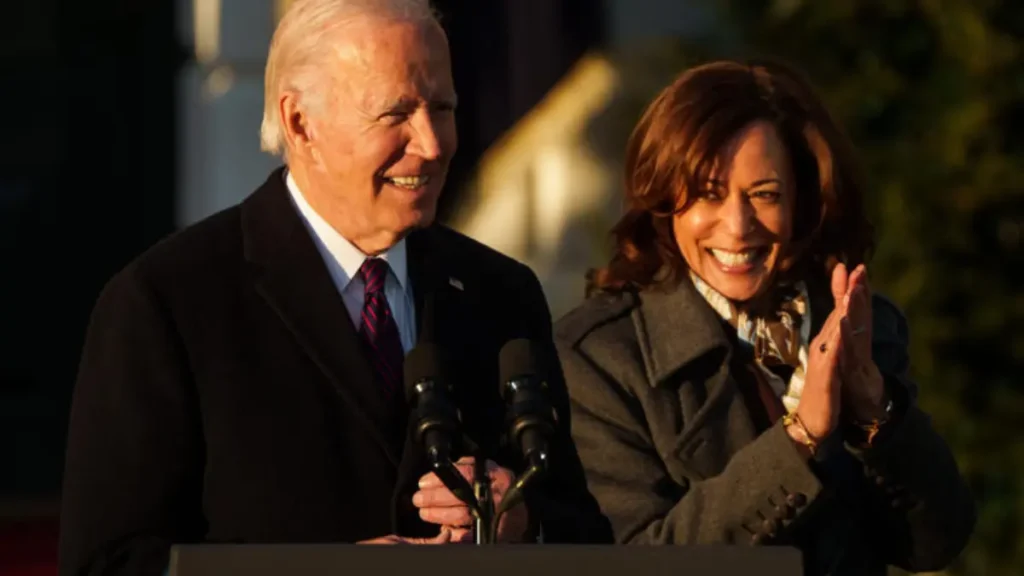
The Kamala Harris Gaza stance became one of the most debated topics during and after the 2024 U.S. presidential election. As Vice President at the time and later Democratic nominee, Harris attempted to walk a fine line on the Israel-Palestine conflict. While President Joe Biden identified strongly as a “Zionist,” Harris often described the issue as “more complicated” and stressed the importance of recognizing both Israeli and Palestinian suffering.
This article explores her statements, the political challenges she faced, and how her Gaza stance influenced the Democratic Party, her leadership image, and the broader 2024 race.
Harris and Biden’s Contrasting Views
| Aspect | Joe Biden’s Position | Kamala Harris Gaza Stance |
|---|---|---|
| Identity with Israel | Declared himself a proud “Zionist” | Called the issue “more complicated” |
| Tone on Gaza conflict | Strongly pro-Israel | Advocated for nuance and recognition of both tragedies |
| Campaign narrative | Focused on U.S. support for Israel | Stressed empathy for Palestinians as well as Israelis |
| Public perception | Seen as unwavering ally of Israel | Viewed as cautious, sometimes unclear in messaging |
The table shows how Harris’ Gaza stance tried to strike a balance, but also highlighted divisions within Democratic leadership.
Kamala Harris Gaza Stance in Her Memoir 107 Days
In her memoir 107 Days, Harris revealed that she and Biden were “not on the same page” regarding Gaza. She emphasized that:
- The war in Gaza was “not a binary issue.”
- She wanted to recognize two tragic narratives—Israeli and Palestinian.
- American voters lacked patience for nuanced answers during the campaign.
By openly discussing her Gaza stance, Harris set herself apart from Biden’s unwavering approach, but it also exposed her to criticism from both sides of the debate.
How Her Stance Affected Voter Perceptions
The Kamala Harris Gaza stance shaped voter reactions in key ways:
- Progressives – Many progressive Democrats wanted Harris to take a stronger pro-Palestinian stance, criticizing her for staying too close to Biden’s policies.
- Moderates – Centrist voters often found her answers vague or overly cautious.
- Republicans – GOP leaders capitalized on the divide, with Donald Trump promising (falsely) to “end the war in Gaza,” which resonated with frustrated voters.
Her Gaza stance highlighted her attempt at diplomacy but also underscored a perceived lack of decisive leadership.
The Challenge of Protests and Public Backlash
Harris admitted that the pro-Palestinian protests at her rallies “got to her.” Even during her book tour, activists continued to disrupt events, calling out what they saw as weak leadership.
The Kamala Harris Gaza stance also made her vulnerable to criticism from:
- Activists, who accused her of being too soft on Biden’s policies.
- Republicans, who accused her of inconsistency.
- Foreign policy analysts, who suggested her approach lacked clarity.
Political Analysis: Why the Gaza Stance Mattered
The Kamala Harris Gaza stance was more than just a foreign policy detail—it reflected broader themes in Democratic politics:
- Identity Politics: As the first woman, first Black, and first Asian American Vice President, Harris faced immense scrutiny on every issue.
- Party Divisions: Her Gaza stance revealed generational and ideological divides within the Democratic Party.
- Leadership Question: Critics argued her inability to strongly define her Gaza stance mirrored her broader struggles with leadership perception.
Kamala Harris Gaza Stance Compared with Other Democrats
| Politician | Position on Gaza Conflict |
|---|---|
| Joe Biden | Strong pro-Israel, minimal criticism of Netanyahu |
| Kamala Harris | Nuanced, stressed suffering of both Israelis and Palestinians |
| Bernie Sanders | Stronger criticism of Israel, calls for Palestinian rights |
| Alexandria Ocasio-Cortez | Vocal support for Palestinians, condemned Biden’s Gaza policy |
| Pete Buttigieg | Moderate tone, avoided sharp statements |
This comparison shows Harris positioned herself between Biden’s firm pro-Israel stance and the progressive wing’s pro-Palestinian approach.
Reactions to Harris’ Gaza Stance
- Media: Outlets described her stance as “cautious” and “overly careful.”
- Progressives: Said Harris “missed the chance” to lead a moral conversation.
- International voices: Some foreign leaders noted her acknowledgment of complexity but wanted clearer commitments.
The Kamala Harris Gaza stance ultimately became symbolic of her larger struggle—balancing loyalty to Biden with a desire to chart her own path.
FAQs on Kamala Harris Gaza Stance
Q1. What is Kamala Harris’ Gaza stance?
Harris’ Gaza stance was nuanced, emphasizing that the conflict is not binary and that both Israelis and Palestinians suffer tragedies.
Q2. Did Kamala Harris support Biden’s pro-Israel position?
She partially supported Biden but also sought to distance herself by acknowledging Palestinian suffering and stressing complexity.
Q3. How did Harris’ Gaza stance affect the 2024 election?
Her careful approach frustrated progressives, confused moderates, and was exploited by Republicans like Donald Trump.
Q4. Why did protests target Harris’ Gaza stance?
Activists felt she didn’t go far enough in criticizing Israel or offering a bold foreign policy alternative.
Q5. What did Harris say in her book 107 Days about Gaza?
She admitted Biden was a “self-described Zionist” and said she wanted to recognize two tragic narratives, but noted the public had little patience for nuance.
Conclusion
The Kamala Harris Gaza stance remains a pivotal chapter in her political career. While she sought to highlight nuance and compassion, her cautious messaging led to criticisms of weak leadership. The issue became a mirror of the Democratic Party’s own challenges—balancing loyalty, progressivism, and public opinion in a polarized political climate.